
asphalt blade vs concrete blade
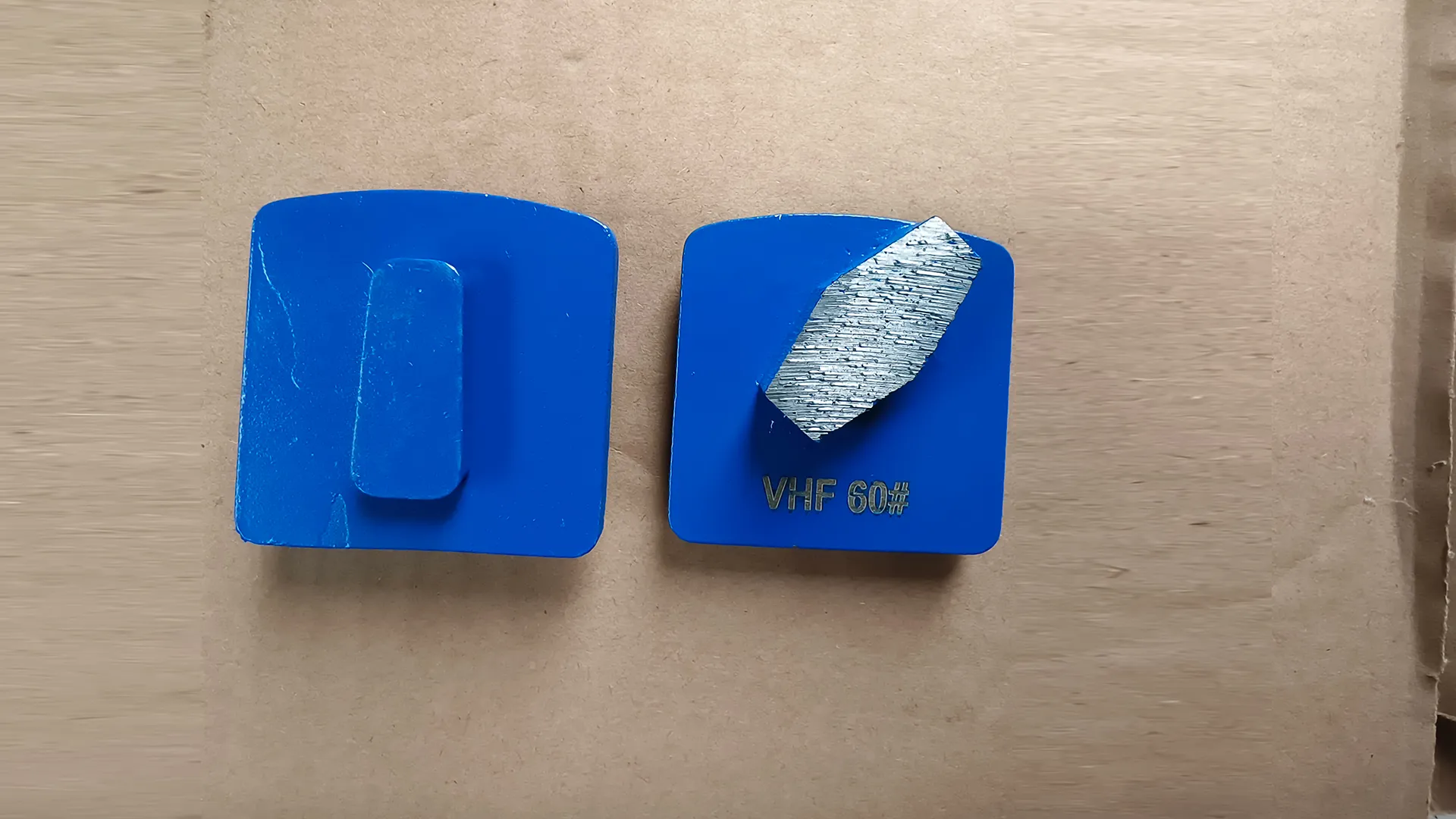
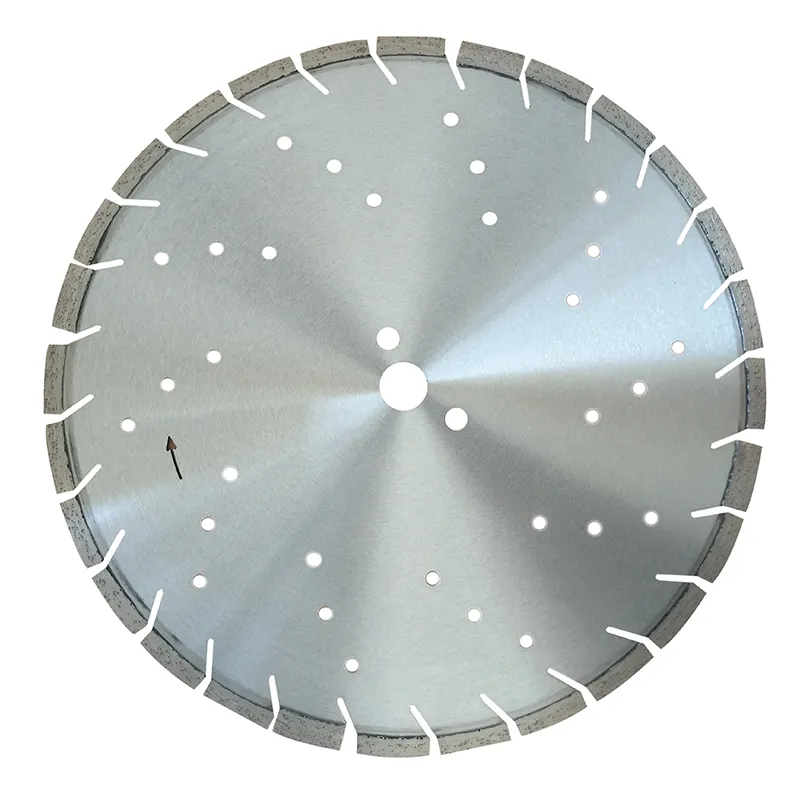
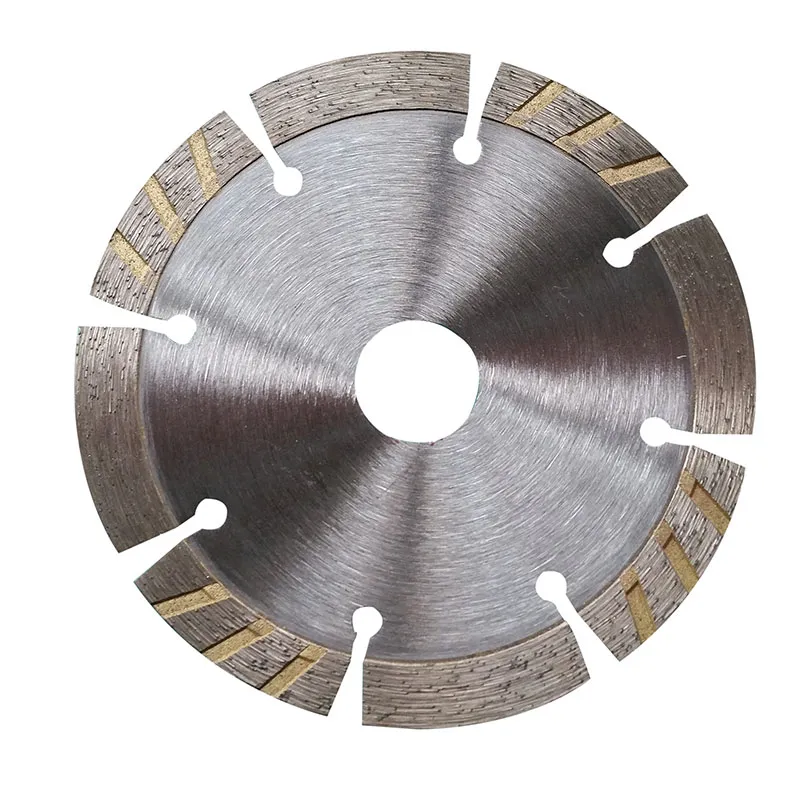
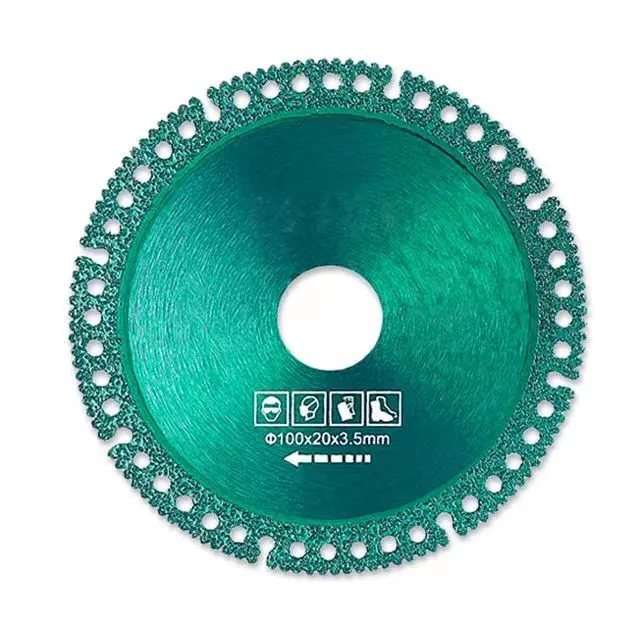
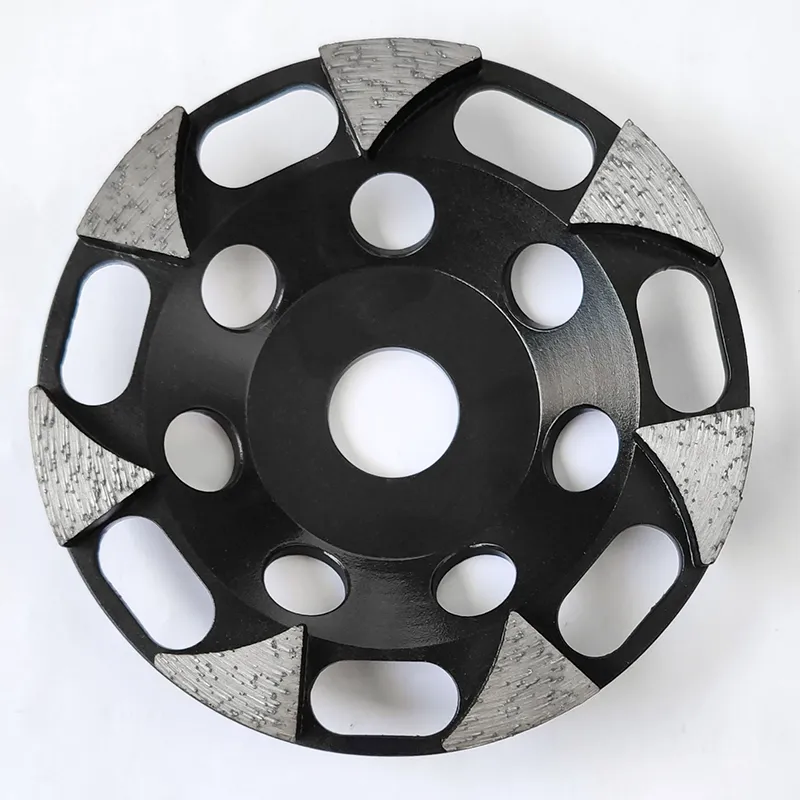
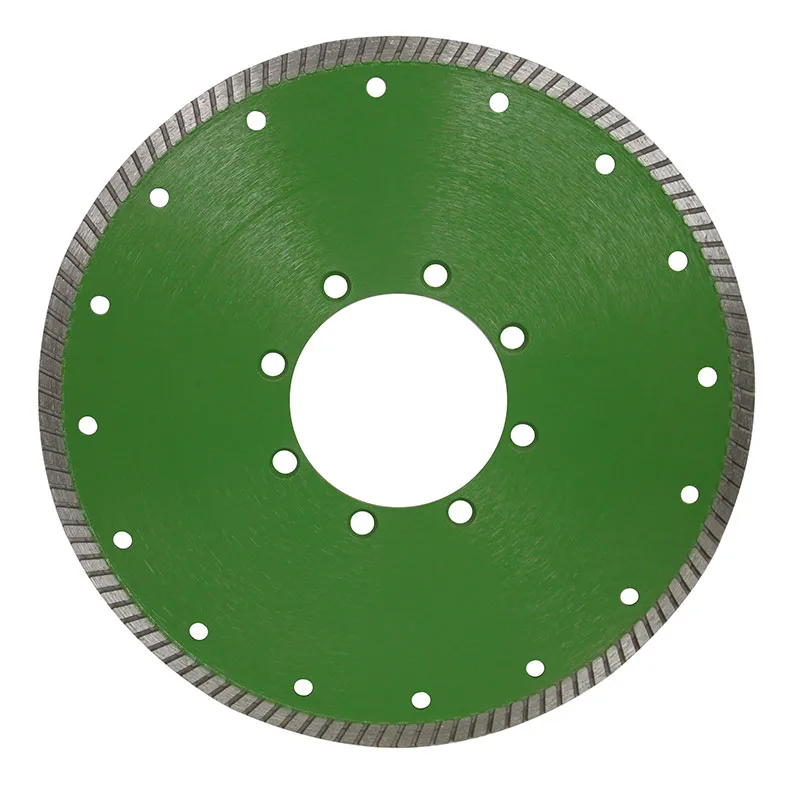
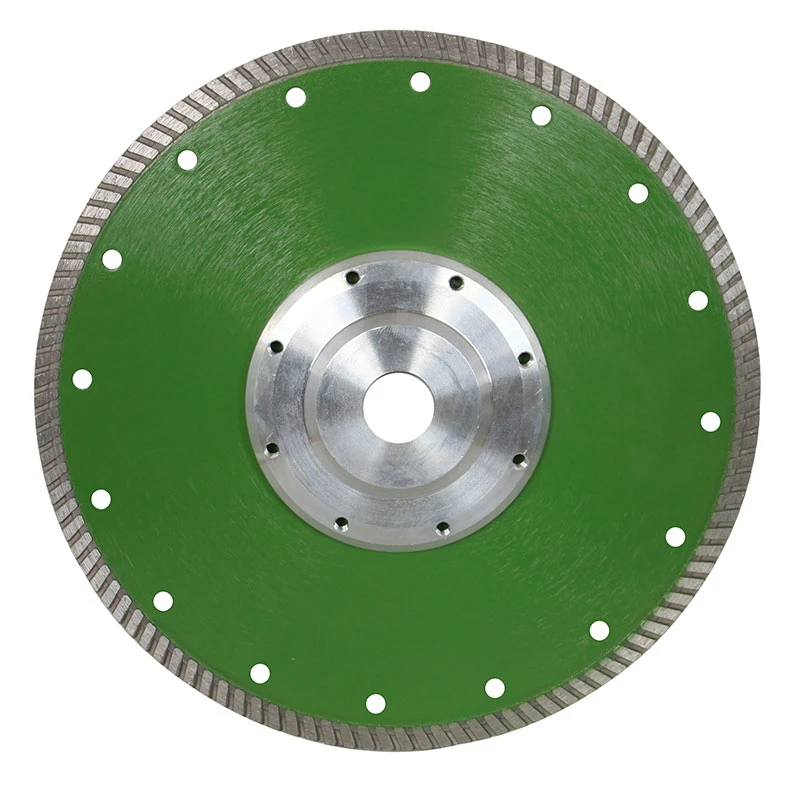
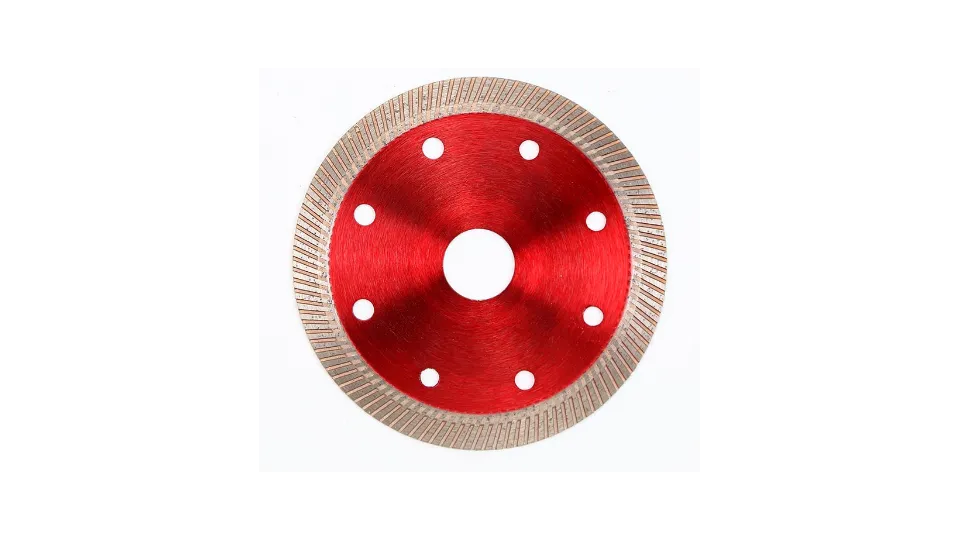
Road crews keep asking for the same thing: a blade that just cuts and keeps cutting That’s why the first thing I look for in an asphalt diamond blade isn’t hype—it’s the segment design and bond recipe. Trends are clear: faster trenching, fewer blade swaps, and safer, laser-welded segments. The “Diamond Blade For Cutting Concrete And Asphalt Road” from MyDiamondBlade (No.30 Gaoying Road, Chang'an District, Shijiazhuang, Hebei) leans into that shift with a softer bond option for abrasive asphalt and a medium-hard option for cured concrete. In the field, crews tell me it feels stable even when you hit that annoying transition joint. Frankly, that’s where cheap blades die. Key Specs (real-world values, not brochure fantasy) Parameter Typical Notes Diameter 300–500 mm (12–20 in) Other sizes on request Arbor/Bore 20/25.4/27 mm Bushings available Segment Height 10–12 mm Laser-welded for safety Bond Soft (asphalt), Medium (concrete) Diamond 30/40–40/50 grit ≈ Max RPM ≈ 5,400 (12"), 3,800 (16"), 3,000 (20") Always check saw rating Wet/Dry Wet preferred Lower dust, cooler cuts On abrasive pavements, the asphalt diamond blade runs cooler thanks to open gullets and a freer-cutting bond. Segments are, as the factory likes to say, “very safe and stable”—and in fairness, laser-weld integrity is tight. I’ve seen segment pull tests hit well above 3,000 N on 350 mm cores under EN 13236-type procedures. Process, Materials, and Testing - Materials: premium synthetic diamonds, cobalt/iron bronze matrix; tensioned, heat-treated steel cores. - Methods: hot-pressed segments; laser welding; core runout ≤ 0.2 mm (typ.), side clearance tuned for asphalt fines. - Testing standards: EN 13236 safety for superabrasives; ANSI B7.1 safety of abrasive wheels; oSa principles; ISO 9001 QMS. - Typical service life: asphalt ≈ 400–1,200 m of cut; concrete ≈ 250–800 m (depth, mix, and saw power matter). - Industries: road maintenance, airport aprons, utilities (water/gas/electrical), bridge deck repair, rail crossings. Real-world pace? With a 20" road saw and water feed, I’ve logged 1.6–2.9 m/min in hot-mix asphalt (summer), slower on polymer-modified surfaces. In concrete transitions the asphalt diamond blade still tracks true—less wander than many mid-tier imports. Vendor Snapshot: what you actually get Vendor Bond Tuning Segment Join Certs Lead Time Notes MyDiamondBlade Project-specific (asphalt vs. concrete) Laser-welded ISO 9001; EN 13236 aligned ≈ 7–15 days Custom bore, logos, silent core options Vendor A Generic Sintered/brazed mix Basic QC ≈ 20–30 days Lower cost; variable life Vendor B Fixed Laser-welded oSa member ≈ 10–20 days Good, pricier Customization and use cases Options include silent cores (laminated), U- or keyhole gullets for cooling, water-slot geometry, and segment height upgrades for longer life. Utility contractors like the asphalt diamond blade for overnight trench work where speed matters; airport teams prefer the cooler-running wet setup to keep raveling down. One municipal client (Hebei) reported about 18% longer life after switching to the softer asphalt bond and dialing water flow to ~1.5 L/min—small tweak, big gain. Safety and best practice (quick hits) - Match bond to material; soft bond for abrasive asphalt. - Respect max RPM; tension check before mounting. - Wet cutting reduces dust per OSHA silica rule; it also cools the core. - Inspect segments daily; any crack or wobble—retire the blade. If you’re budgeting, I’d benchmark cost per meter rather than unit price. In many crews’ feedback, this asphalt diamond blade pays back on fewer blade swaps and cleaner kerfs, especially on mixed pavement jobs. Honestly, that’s what keeps schedules on track. Product: Diamond Blade For Cutting Concrete And Asphalt Road | Origin: No.30 Gaoying Road, Chang'an District, Shijiazhuang, Hebei Province Authoritative references EN 13236: Safety requirements for superabrasive products. CEN. https://standards.cen.eu/ ANSI B7.1: Safety Requirements for the Use, Care and Protection of Abrasive Wheels. https://www.ansi.org/ OSHA 29 CFR 1926.1153: Respirable Crystalline Silica. https://www.osha.gov/silica-construction oSa – Organization for the Safety of Abrasives. https://www.osa-abrasives.org/ ISO 9001: Quality management systems — Requirements. https://www.iso.org/iso-9001-quality-management.html
-
 30000M2Floor Space
 -
 100+Team size
 -
 20+Production experience
 -
 120+Export Countries
asphalt blade vs concrete blade
Road crews keep asking for the same thing: a blade that just cuts and keeps cutting That’s why the first thing I look for in an asphalt diamond blade isn’t hype—it’s the segment design and bond recipe. Trends are clear: faster trenching, fewer blade swaps, and safer, laser-welded segments. The “Diamond Blade For Cutting Concrete And Asphalt Road” from MyDiamondBlade (No.30 Gaoying Road, Chang'an District, Shijiazhuang, Hebei) leans into that shift with a softer bond option for abrasive asphalt and a medium-hard option for cured concrete. In the field, crews tell me it feels stable even when you hit that annoying transition joint. Frankly, that’s where cheap blades die. Key Specs (real-world values, not brochure fantasy) Parameter Typical Notes Diameter 300–500 mm (12–20 in) Other sizes on request Arbor/Bore 20/25.4/27 mm Bushings available Segment Height 10–12 mm Laser-welded for safety Bond Soft (asphalt), Medium (concrete) Diamond 30/40–40/50 grit ≈ Max RPM ≈ 5,400 (12"), 3,800 (16"), 3,000 (20") Always check saw rating Wet/Dry Wet preferred Lower dust, cooler cuts On abrasive pavements, the asphalt diamond blade runs cooler thanks to open gullets and a freer-cutting bond. Segments are, as the factory likes to say, “very safe and stable”—and in fairness, laser-weld integrity is tight. I’ve seen segment pull tests hit well above 3,000 N on 350 mm cores under EN 13236-type procedures. Process, Materials, and Testing - Materials: premium synthetic diamonds, cobalt/iron bronze matrix; tensioned, heat-treated steel cores. - Methods: hot-pressed segments; laser welding; core runout ≤ 0.2 mm (typ.), side clearance tuned for asphalt fines. - Testing standards: EN 13236 safety for superabrasives; ANSI B7.1 safety of abrasive wheels; oSa principles; ISO 9001 QMS. - Typical service life: asphalt ≈ 400–1,200 m of cut; concrete ≈ 250–800 m (depth, mix, and saw power matter). - Industries: road maintenance, airport aprons, utilities (water/gas/electrical), bridge deck repair, rail crossings. Real-world pace? With a 20" road saw and water feed, I’ve logged 1.6–2.9 m/min in hot-mix asphalt (summer), slower on polymer-modified surfaces. In concrete transitions the asphalt diamond blade still tracks true—less wander than many mid-tier imports. Vendor Snapshot: what you actually get Vendor Bond Tuning Segment Join Certs Lead Time Notes MyDiamondBlade Project-specific (asphalt vs. concrete) Laser-welded ISO 9001; EN 13236 aligned ≈ 7–15 days Custom bore, logos, silent core options Vendor A Generic Sintered/brazed mix Basic QC ≈ 20–30 days Lower cost; variable life Vendor B Fixed Laser-welded oSa member ≈ 10–20 days Good, pricier Customization and use cases Options include silent cores (laminated), U- or keyhole gullets for cooling, water-slot geometry, and segment height upgrades for longer life. Utility contractors like the asphalt diamond blade for overnight trench work where speed matters; airport teams prefer the cooler-running wet setup to keep raveling down. One municipal client (Hebei) reported about 18% longer life after switching to the softer asphalt bond and dialing water flow to ~1.5 L/min—small tweak, big gain. Safety and best practice (quick hits) - Match bond to material; soft bond for abrasive asphalt. - Respect max RPM; tension check before mounting. - Wet cutting reduces dust per OSHA silica rule; it also cools the core. - Inspect segments daily; any crack or wobble—retire the blade. If you’re budgeting, I’d benchmark cost per meter rather than unit price. In many crews’ feedback, this asphalt diamond blade pays back on fewer blade swaps and cleaner kerfs, especially on mixed pavement jobs. Honestly, that’s what keeps schedules on track. Product: Diamond Blade For Cutting Concrete And Asphalt Road | Origin: No.30 Gaoying Road, Chang'an District, Shijiazhuang, Hebei Province Authoritative references EN 13236: Safety requirements for superabrasive products. CEN. https://standards.cen.eu/ ANSI B7.1: Safety Requirements for the Use, Care and Protection of Abrasive Wheels. https://www.ansi.org/ OSHA 29 CFR 1926.1153: Respirable Crystalline Silica. https://www.osha.gov/silica-construction oSa – Organization for the Safety of Abrasives. https://www.osa-abrasives.org/ ISO 9001: Quality management systems — Requirements. https://www.iso.org/iso-9001-quality-management.html
-
30000M2Floor Space
-
100+Team size
-
20+Production experience
-
120+Export Countries